Brash. Brutal. Breathless.
For artistic violence to have any worth, it must eschew timidity. Maybe it would be better to say that it should avoid subtlety. The descriptions don’t have to be gross or wanton, but they must be voracious and vivid. Taken a step further, the details don’t need to be gratuitous, but they should render out all possible doubt of the story’s commitment to the carnality. In my not-so-humble opinion, the artist should instead showcase earnest emotions that resonate with readers instead of perpetrating perverse particulars. Only then can a vicious narrative be meaningful.
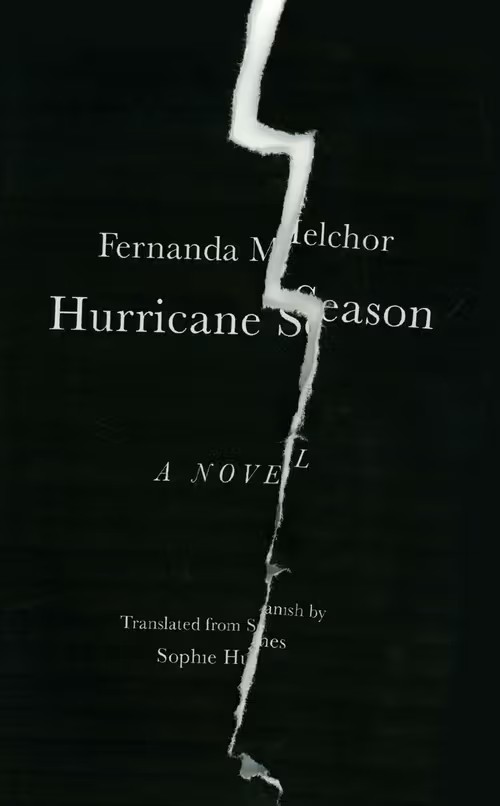
This is how Fernanda Melchor excels as a writer. Yes, throughout the magnificent Hurricane Season, she does craft arresting prose that veritably drips with aggression, but she achieves that malevolence by making the reader feel. Deeply. Published by New Directions, it’s a book that pursues and then exemplifies the humanity of its characters, no matter how based or depraved you might consider them to be. She specifically refuses to make value judgments of each person mentioned – whether a narrator or not – which compels you to approach everyone at face value.
Though the core tale circles around the death of a misunderstood woman called The Witch, the wider events span forward and backward in the timeline, providing context for the town’s intense responses. Melchor goes to painstaking lengths to honestly depict life in poor, rural Mexico, complete with people who want to get out (but won’t), those who try to change (but can’t), the few who take advantage of the majority, and everyone in between. While most of us will never perpetrate the heinous acts or use the vile speech recorded in these pages, that does not make us more evolved or the people we read about as lesser-than. Then again, most of us also don’t live in the wretched conditions chronicled in this story.
Deliciously translated by Sophie Hughes, what gives the book its meaning is not some farcical pursuit of morality amidst depravity, but its willingness to make you squirm. It possesses an incisive amorality that compels you to wonder what you might have done if you ever faced similar circumstances. Because even when you think we are not the same, we are all the same.


Leave a Reply