Sharp. Sparkling. Superb.
The novella sits firmly in the gap between short story and full-blown novel. The format encourages the artist to hone their talent down to a fine point. They pursue a precise focus by carving out any extraneous subplots, extended world-building, or extensive character development. While the result isn’t necessarily bare bones, it is definitely lean and sinewy. If the novel is a distance runner and the short story is a sprinter, the novella runs the mile – a balanced mix of stamina and speed.
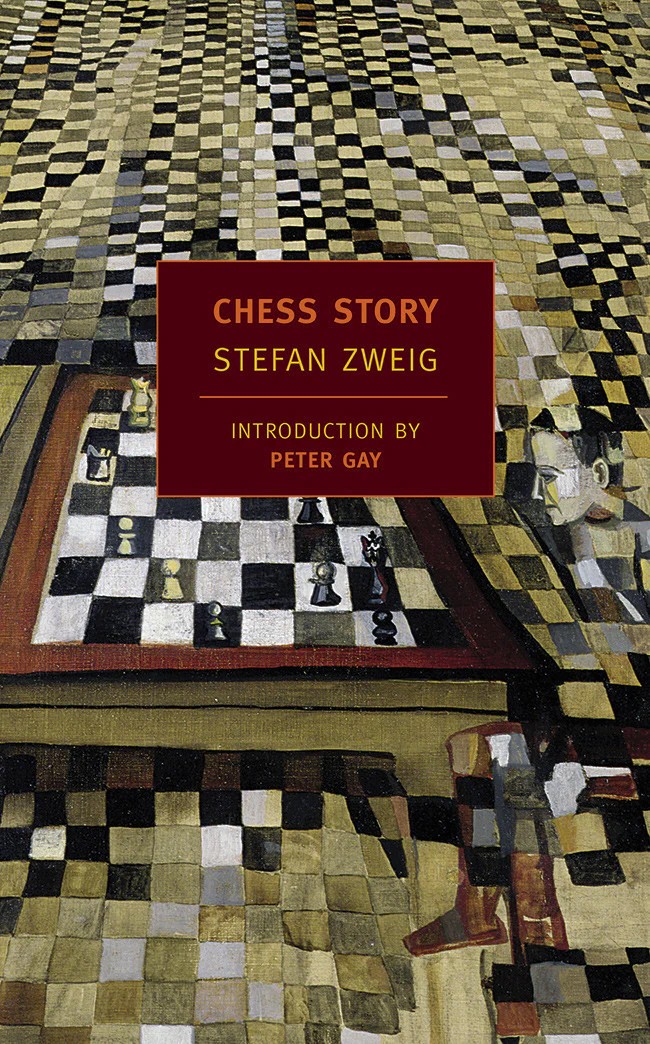
Using that metric, Chess Story is the classic four-minute mile. People might have broken that record many times over the past few decades, but this 84-page slice of literary perfection remains the standard against which everyone is judged. Stefan Zweig brings his formidable talents to bear on an ocean liner containing a handful of curious chess obsessives. On one hand, we have a Yugoslavian champion without many skills apart from chess, and on the other, we have an Austrian lawyer who learned to play via traumatic means. In the middle sits a gaggle of chess fans and gamblers who simply want to see the champion play a few games.
Originally published in 1942 after Zweig’s death by suicide and reprinted in 2006 by New York Review of Books, this short wonder provides a range of metaphors about Europe in the years leading up to World War II. But, at its root, I found it really asks us to examine our humanity. To be clear, the book doesn’t provide any answers of any sort, but it does imply that we must account for our own lives on our own terms. The chess wizard has a one-track mind solely devoted to his craft. The lawyer can talk about his past but is unable to make any connections to his present or future. And the crowd longs for entertainment and diversion from the wider world around them.
Thus, while you could inhale this story of profound depth in one sitting, you would be better served to consider its broader implications after a few re-reads.
 Dryvetyme Onlyne
Leave a comment